
Advantages of Shrimp Farming

Shrimp farming offers several advantages that make it a lucrative and sustainable aquaculture activity. Here are some of the key advantages of shrimp farming: 1. High Demand and Profitability:** Shrimp is a highly sought-after seafood globally, with a growing demand in markets worldwide. This high demand translates to favorable market prices, making shrimp farming a profitable venture for farmers. 2. Short Production Cycle:** Compared to many other aquaculture species, shrimp have a relatively short production cycle. Depending on the species and farming methods, shrimp can be harvested in as little as three to six months, allowing farmers to generate income more quickly. 3. Adaptability to Various Farming Systems:** Shrimp can be farmed using different systems such as ponds, raceways, and recirculating aquaculture systems (RAS). This adaptability enables farmers to choose the most suitable farming method based on factors like available land, water quality, and investment capacity. 4. Utilization of Marginal Lands:** Shrimp farming can be carried out in areas with brackish or saline water, including coastal regions and estuaries. These areas are often unsuitable for traditional agriculture but can be utilized effectively for shrimp farming, maximizing land use and productivity. 5. Employment and Livelihood Opportunities:** Shrimp farming provides employment opportunities, especially in rural and coastal areas where job options may be limited. It contributes to local economies by creating jobs in farming, processing, transportation, and marketing sectors. 6. Technological Advancements:** The shrimp farming industry has seen significant technological advancements in recent years, leading to improved production efficiency, disease management, and environmental sustainability. Innovations such as automated feeding systems, water quality monitoring, and genetic selection for disease-resistant strains have enhanced the industry’s productivity and profitability. 7. Sustainable Practices:** With increasing awareness of environmental sustainability, shrimp farming practices are evolving to minimize negative impacts on ecosystems. Sustainable shrimp farming involves measures such as efficient resource utilization, waste management, habitat conservation, and responsible use of inputs like feed and chemicals. 8. Diversification and Risk Management:** For farmers with diverse agricultural interests, shrimp farming provides an opportunity for diversification, spreading risks across different commodities. This diversification strategy can help mitigate the impact of market fluctuations and natural disasters on overall farm income. 9. Export Potential:** Many shrimp-producing countries, including India, Thailand, Ecuador, and Vietnam, are major exporters of shrimp products. Shrimp farming allows farmers to tap into international markets and benefit from export opportunities, contributing to foreign exchange earnings for the country. Overall, shrimp farming offers numerous advantages ranging from economic benefits to environmental sustainability, making it an attractive and viable option for farmers and investors in the aquaculture sector.
Boosting Shrimp Farming in South India: Ketone Lifesciences’ Impact
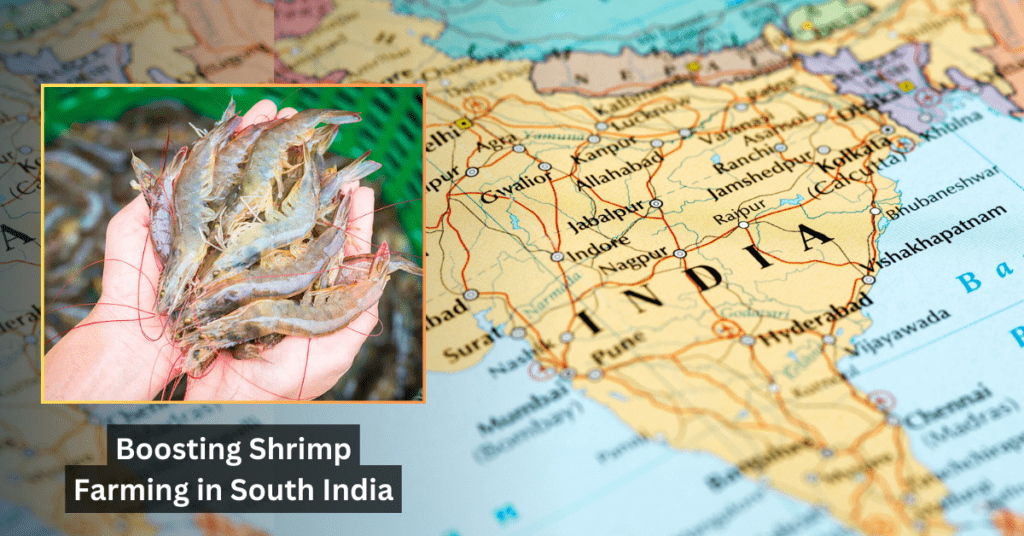
Boosting Shrimp Farming in South India: Ketone Lifesciences’ Impact Shrimp farming has become a vital industry in South India, contributing significantly to the region’s economy and providing livelihoods to many coastal communities. With the increasing demand for shrimp globally, farmers are constantly seeking innovative solutions to improve productivity and sustainability. One such company making waves in this sector is Ketone Lifesciences, with its range of products designed to enhance shrimp farming practices. South India’s Favorable Conditions for Shrimp Farming South India, particularly states like Andhra Pradesh, Tamil Nadu, and Kerala, offers favorable conditions for shrimp farming. The region’s warm climate, abundant water resources, and extensive coastline make it ideal for aquaculture activities. Additionally, the availability of skilled labor and infrastructure support further strengthens the shrimp farming industry in this part of the country. Challenges Faced by Shrimp Farmers Despite the conducive environment, shrimp farmers encounter various challenges that affect their productivity and profitability. These challenges include diseases like Early Mortality Syndrome (EMS) and White Spot Syndrome Virus (WSSV), water quality management, feed optimization, and environmental sustainability concerns. Ketone Lifesciences’ Innovative Solutions Ketone Lifesciences has emerged as a game-changer in the shrimp farming sector by offering cutting-edge products and solutions to address these challenges. Here are some key products and their impact on shrimp farming: 1. **Probiotics for Disease Management:** Ketone Lifesciences provides probiotic formulations that promote a healthy gut environment in shrimp, reducing the risk of diseases like EMS and WSSV. These probiotics enhance the immune system of shrimp, making them more resilient to pathogens. 2. **Water Quality Enhancers:** Maintaining optimal water quality is crucial for successful shrimp farming. Ketone Lifesciences offers water quality enhancers that help in controlling ammonia levels, pH balance, and oxygen levels in the water, creating a conducive environment for shrimp growth. 3. **Feed Supplements:** The company’s feed supplements are designed to optimize nutrition and digestion in shrimp, leading to better growth rates and feed conversion ratios. These supplements are formulated with essential nutrients and enzymes that enhance shrimp health and performance. 4. **Environmentally Friendly Solutions:** Ketone Lifesciences is committed to sustainability and offers environmentally friendly solutions for shrimp farming. This includes bio-remediation products that mitigate the impact of waste and organic matter in shrimp ponds, promoting ecological balance. Impact of Ketone Lifesciences’ Products The introduction of Ketone Lifesciences’ products has had a significant impact on shrimp farming in South India. Farmers using these products have reported: – Reduced mortality rates among shrimp due to improved disease resistance. – Higher yields and faster growth rates, leading to increased profitability. – Improved water quality parameters, resulting in a healthier aquaculture environment. – Sustainable farming practices with reduced environmental impact. The Future of Shrimp Farming in South India With the continuous innovation and support from companies like Ketone Lifesciences, the future of shrimp farming in South India looks promising. Adopting advanced technologies and sustainable practices will not only boost production but also ensure the long-term viability of the shrimp farming industry in the region. In conclusion, Ketone Lifesciences’ contributions to the shrimp farming sector in South India are commendable, highlighting the importance of research and innovation in driving agricultural advancements. As the demand for high-quality shrimp continues to rise, collaborations between industry players, farmers, and researchers will be crucial in achieving sustainable growth and meeting market demands.
